SE4 Estate Removals: Victorian Terrace Moving Tips
Posted on 21/05/2026
Moving in SE4 can feel beautifully local and slightly chaotic at the same time. Victorian terraces bring charm, high ceilings, original features, narrow staircases, awkward hallway turns, and the kind of front steps that make you pause for a second before lifting the first box. That mix is exactly why SE4 Estate Removals: Victorian Terrace Moving Tips matters. A good move here is not just about getting items from A to B; it is about protecting walls, timing access properly, managing parking, and making sure the day stays calm enough that you can actually think straight.
This guide brings together practical moving advice for terrace homes, from packing and heavy lifting to access planning, insurance, and what to do with the awkward furniture everyone seems to own. Truth be told, most moving problems in SE4 are predictable if you know where to look. Let's fix them before they start.
If you are planning a larger domestic move, you may also find our guide to moving house with complete peace of mind useful, especially if you want a steadier plan rather than a last-minute scramble.

Why SE4 Estate Removals: Victorian Terrace Moving Tips Matters
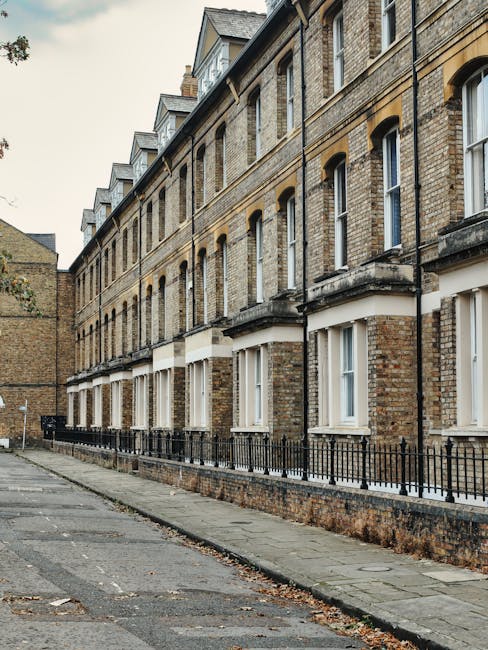
Victorian terraces in SE4 are lovely, but they are not forgiving if you treat them like a modern apartment block. The layout often includes tight internal stairwells, sharper turns than you expect, small landings, and rooms where the furniture seemed to have been designed before anyone worried about moving it back out again. Sofas that went in "just fine" can become a very different story on the way out.
That is why local removal planning matters. In a terrace move, delays usually come from access problems rather than the drive itself. A van can arrive on time and still lose half an hour while the team navigates narrow steps, finds a safe parking position, or waits for a hallway to be cleared. Small issues stack up. A few minutes here, a few there, and suddenly the whole day feels rushed.
There is also the matter of protecting the property. Many SE4 terraces have painted walls, bannisters, and period details that mark easily. One careless corner, one badly angled wardrobe, and you have a scuff that nobody wanted. Careful lifting, correct wrapping, and sensible route planning reduce that risk massively.
Expert summary: terrace moving is not harder because the items are different; it is harder because the route is often less generous. Plan the route first, then the lift.
For bigger furniture pieces, a bit of targeted preparation goes a long way. Our guides on moving beds and mattresses and sofa storage and preservation are useful if you need to protect bulky items during a terrace move or temporary storage period.
How SE4 Estate Removals: Victorian Terrace Moving Tips Works
In simple terms, a successful terrace removal in SE4 is a sequence of good decisions made early. First, you assess the property: where the exits are, what the stairs are like, whether furniture will need to be dismantled, and whether parking or access is likely to be awkward. Then you match that assessment with packing, lifting equipment, and van size.
Most smooth moves follow the same basic rhythm:
- Survey the property so you understand the route from each room to the van.
- Declutter first so you are not paying to move things you no longer want.
- Pack by room and priority to keep essential items accessible.
- Dismantle awkward furniture before it becomes a last-minute problem.
- Protect walls, floors, and corners with wraps, covers, and careful handling.
- Load in a sensible sequence so fragile, heavy, and awkward items are secured properly.
- Unpack in the right order at the new property so the first evening feels manageable, not like a box avalanche.
It sounds straightforward, and mostly it is. The trick is discipline. The same move can feel calm or frantic depending on how much prep happens beforehand. If you want a step-by-step packing refresher, the article on packing tips for a smooth transition is a strong companion read.
For some homes, especially where stair access is particularly tight, it may also make sense to consider a more tailored service such as house removals support or a man with a van option depending on the scale of the move. The right choice depends less on the postcode and more on the job in front of you.
Key Benefits and Practical Advantages
A thoughtful terrace moving plan saves more than time. It protects the house, lowers stress, and usually costs less overall because fewer mistakes need fixing afterwards. You are also less likely to lose small but important things: screws, plugs, keys, remote controls, the kettle lead, the charger you need the next morning. The annoying bits, basically.
- Less damage risk: better wrapping, steadier lifting, fewer collisions with walls and banisters.
- Faster loading: organised rooms and labelled boxes reduce hesitation on the day.
- Lower physical strain: good lifting technique matters, especially on stairs.
- More predictable timing: access issues can be managed rather than discovered too late.
- Better unpacking: essential items are easy to find at the new address.
- Improved value for money: a well-planned move wastes less time and often fewer resources.
There is a quieter benefit too: confidence. When you know the front room is cleared, the loft is checked, and the stair turn has been measured, the move stops feeling like a mystery. That calm is worth a lot on moving day, especially when the neighbour is trying to squeeze past with a buggy and you are all politely pretending that everything is normal.
Who This Is For and When It Makes Sense
This guidance is especially helpful if you live in a Victorian terrace in SE4 or are moving into one. But it also helps anyone facing a property with awkward access, older internal layouts, or heavier furniture that needs extra care.
It tends to be most useful for:
- Homeowners moving out of a terraced house with narrow stairs or multiple levels.
- Renters leaving a period property with tight hallways and original fittings.
- Families moving furniture, boxes, and children's items at the same time.
- People moving bulky belongings such as sofas, beds, pianos, or appliances.
- Anyone who wants a less stressful move and prefers practical planning over guesswork.
If your move includes specialist pieces, it is worth reading about professional piano moving care or safe heavy-item lifting before you decide how much to attempt yourself. A piano on a narrow stairwell is not the time to improvise. Not really.
For smaller moves, short-notice moves, or student-style relocations, the approach changes a little. A lighter service such as student removals or same-day removals may be more suitable if flexibility matters more than complex planning.
Step-by-Step Guidance
1. Walk the property with a critical eye
Start at the top floor and work down. Look at stair width, turn angles, low light areas, door handles, and anything that might snag: radiators, picture rails, hooks, narrow vestibules, and those very British little corners that seem harmless until a wardrobe arrives.
Measure the largest items, not just the doors. A sofa that fits through one opening may still fail on the stair turn. Write down the numbers if you need to. A rough guess is how people end up standing in a hallway saying, "It should fit," while the sofa says otherwise.
2. Declutter before you pack
Moving is the best time to be honest about what you own. Sell, donate, recycle, or dispose of anything you do not want in the new place. Fewer items means fewer boxes and less loading time. It also means the van space goes to things that matter.
If you want a structured way to tackle this, see effective decluttering strategies. It is a simple step, but it changes the entire tone of the move.
3. Pack by room and priority
Use a room-by-room method and keep essentials separate. Label each box with the room and a short contents note. For example: "Kitchen - mugs, kettle, tea" is far better than "misc.", which is a label that tells you almost nothing later on.
Pack a first-night bag with chargers, medication, toiletries, a change of clothes, keys, kettle items, and basic snacks. You will thank yourself at 9:30pm when the tape has gone missing and nobody wants to open another box.
4. Disassemble where it helps
Beds, shelving, some tables, and wardrobes often move better when partly dismantled. Keep screws and fittings in labelled bags taped to the relevant item. That tiny bit of admin saves a great deal of swearing later.
For bed-specific guidance, the article on moving your bed and mattress covers the usual pain points in a clear, practical way.
5. Protect surfaces and manage the loading order
Use furniture covers, blankets, stretch wrap, and corner protection where appropriate. Load the van with the heaviest items first, then build around them with lighter boxes and soft goods. Fragile items should be secured so they cannot shift when the van brakes or turns.
Sofas, for example, often travel better standing upright if the shape and wrapping allow it, but only if they are secured properly. If the sofa is being stored first, read these sofa storage and preservation tips to avoid sagging, dust, or moisture issues.
6. Plan the unload before you arrive
When you get to the new address, decide where each major item goes before the team starts carrying it inside. That saves lifting things twice. It also helps the team move faster, which is always welcome after a long day.
A small bit of planning here goes a long way. Have the kettle easy to find. Keep the bedding handy. Put cleaning supplies somewhere obvious. The first hour in a new home should feel constructive, not like an archaeological dig.
Expert Tips for Better Results
After enough moves, a pattern appears. The people who have the easiest day are not always the ones with the fewest belongings. They are the ones who prepare the route, simplify the load, and leave less to chance.
Keep hallway access clear
Victorian terraces often have narrow corridors, so even small obstacles matter. Shoes, plant pots, umbrella stands, and hallway storage can become unexpected trip points. Clear the route early. Really early, if you can.
Use colour coding for boxes
A coloured sticker or marker per room speeds up unloading. Blue for kitchen, green for bedrooms, red for living areas, and so on. It is simple, but on moving day your brain is already juggling too much.
Protect original features carefully
Many SE4 terraces have old plaster, woodwork, and bannisters that do not take kindly to knocks. Use blankets where a carrying route is tight, and do not drag items along painted surfaces. If a piece looks too large to manoeuvre cleanly, pause and rethink. That pause can save a repair bill.
Use the right service level
Not every move needs the same setup. A small flat move may only need a van and a couple of movers, while a full house move could need a broader service package. Browse the services overview or compare removal services to match the job properly. Choosing well at the start usually feels cheaper by the end.
Ask about insurance and handling procedures
For valuable or awkward items, confirmation matters. It is reasonable to ask how items are wrapped, loaded, and covered in transit. A trustworthy removal provider should be able to explain this in plain English, not hide behind jargon.
Our insurance and safety guidance is useful if you want to understand what responsible moving practice generally looks like.
Common Mistakes to Avoid
Some moving mistakes are almost comically common. They are also avoidable, which is the frustrating part. Here are the big ones.
- Underestimating stair turns: the item may fit through the door but fail on the corner.
- Leaving decluttering too late: this clogs the schedule and wastes van space.
- Packing heavy items into oversized boxes: one box can become too heavy to carry safely.
- Forgetting to label essentials: then the toothbrush, phone charger, or bedding disappears into the wrong pile.
- Ignoring parking and access: a van that cannot get close enough changes the whole pace of the day.
- Trying to move very heavy items alone: this is how backs complain for the next week.
- Not checking whether furniture needs dismantling: that surprise usually arrives at the worst possible moment.
There is also a subtler mistake: assuming every item should be treated the same. A freezer, a piano, a mattress, and a stack of books all need different handling. The better your plan, the less you rely on luck. And luck, as we all know, is not a transport method.
If your move includes bulky household items that will need special handling, it is worth reading about freezer storage when not in use and pre-move house cleaning too, especially if you are staging the property for handover.
Tools, Resources and Recommendations
You do not need a van full of specialist kit to move well, but a few practical tools make a noticeable difference.
| Item | Why it helps | Best use in a Victorian terrace |
|---|---|---|
| Furnishing blankets | Protects walls and furniture edges | Tight stairwells, bannisters, hall corners |
| Stretch wrap | Keeps drawers and doors closed | Wardrobes, bedside units, small cabinets |
| Strong tape and labels | Speeds up unpacking and reduces confusion | Room-by-room packing and first-night boxes |
| Furniture tools | Helps with dismantling and reassembly | Beds, tables, shelving, modular furniture |
| Gloves with grip | Improves handling and control | Heavy boxes, awkward shapes, narrow turns |
| Protective floor covering | Reduces scuffs and tracking dirt | Front halls, landings, high-traffic routes |
For packaging supplies, have a look at packing and boxes if you need a practical starting point. If you need storage before, during, or after the move, storage options can be a helpful buffer, especially if completion dates do not line up neatly.
For locally focused planning, a route-based checklist can also help. This Crofton Park moving checklist is a useful example of how a move becomes easier when the route, timings, and access details are written down clearly. SE4 has enough varied streets that a checklist really earns its keep.
Law, Compliance, Standards, or Best Practice
Moving home does not usually involve complex legal rules for the average resident, but there are important best-practice points worth respecting. If a vehicle needs to stop in a restricted area or blocking space, you should always check local parking conditions and any permit requirements in advance. Do not assume a loading bay, double yellow line, or narrow residential road will be straightforward. London streets can be tolerant one minute and awkward the next.
From a safety perspective, good removal practice should include sensible manual handling, secure loading, and suitable protection for property and people. That means lifting in a way that reduces strain, using enough movers for heavy items, and not taking unnecessary risks just to save a few minutes. The safer option is usually the smarter one. To be fair, nobody enjoys arguing with gravity.
If you are comparing providers, look for clear information on terms, payments, complaints handling, and safety expectations. Those pages are often a good sign that the business takes accountability seriously. The following can help you check the basics:
- terms and conditions
- payment and security
- complaints procedure
- health and safety policy
It is also sensible to review business details and service scope before booking. Start with the about us page and the wider removals or removal companies pages if you are comparing options. A little due diligence saves headaches later.
Options, Methods, or Comparison Table
Different moves call for different approaches. Here is a practical comparison to help you decide what fits your terrace move best.
| Method | Best for | Strengths | Watch-outs |
|---|---|---|---|
| Self-move | Very small loads and simple access | Lowest direct cost, full control | High physical effort, higher damage risk, slower on stairs |
| Man and van | Compact moves, single rooms, light house loads | Flexible, practical, often good value | May need strong preparation and careful item prioritising |
| Full removal service | Whole-house moves and awkward access | More support, better speed, less strain | Usually more expensive than a basic van-only option |
| Storage plus removal | Delayed completions or staggered move-ins | Reduces pressure when dates do not align | Requires more planning and labelled inventory |
If you need a more hands-on moving arrangement, a man and van service can be a smart middle ground. If you need more support for larger furniture sets, furniture removals may be a better fit. And if the move is larger than expected, a proper removal van can save multiple trips and a lot of tired legs.
Case Study or Real-World Example
Imagine a typical SE4 Victorian terrace: two floors, a narrow staircase, one large sofa, a double bed, a dining table, and a few awkward boxes that have clearly been repurposed from a supermarket delivery. The move is across a short distance, so the temptation is to keep it casual. "We can just do it in a couple of trips," someone says. Famous last words, honestly.
Before the move, the household measures the sofa, checks the stair width, and realises the main landing turn is tighter than expected. The sofa legs are removed, the route is cleared, and the front room is protected with blankets. Boxes are colour-coded, the bed is dismantled the night before, and the first-night box is kept separate.
On moving day, the team reaches the van quickly because the hallway is clear and the items are ready. The sofa needs a careful pivot at the stair turn, but because the route was measured in advance, there are no surprises. The move finishes without wall scuffs, and the family can set up the bed, kettle, and essentials first rather than searching through twelve identical boxes for toothpaste.
That is the real difference. Not magic. Just preparation, a bit of patience, and the willingness to deal with the awkward bits before they become a crisis.
Practical Checklist
Use this checklist in the final week before your move. It keeps the day tighter and, frankly, a bit kinder.
- Measure large furniture and check stair turns, door widths, and landing space.
- Book the right vehicle or removal service for the property size.
- Declutter rooms and dispose of items you no longer need.
- Pack one room at a time and label each box clearly.
- Set aside a first-night box with essentials.
- Dismantle beds and other awkward furniture in advance if needed.
- Protect walls, floors, and corners with covers or blankets.
- Confirm parking, access, and any loading restrictions.
- Keep valuables, documents, and keys separate and easy to reach.
- Arrange storage if completion dates or access timings do not line up.
- Check insurance, terms, and safety information before booking.
- Have water, snacks, and phone chargers ready for the day itself.
Quick reminder: if a task feels bigger than you expected, that is usually the right moment to slow down and ask for help.
Conclusion
Victorian terrace moves in SE4 are manageable when you treat access, packing, and lifting as part of the same plan. That is the real secret behind SE4 Estate Removals: Victorian Terrace Moving Tips: not doing more, but doing the right things in the right order. Measure first. Pack properly. Protect the route. Use suitable help for heavy or awkward items. And keep the essentials close.
A smooth move is rarely an accident. It is usually the result of a dozen sensible choices made before anyone touches a box. If you are moving soon, give yourself the quieter day you deserve.
Get a free quote today and see how much you can save.
For more information about our approach, support services, or practical moving help in the local area, explore the relevant guides and service pages linked throughout this article. A well-planned move has a way of making the whole week feel lighter.