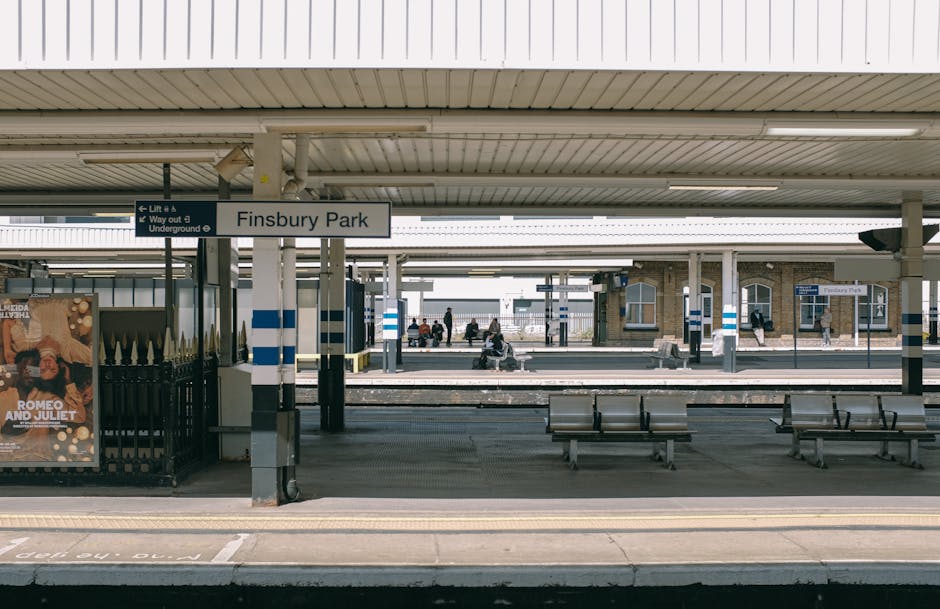
Moving Near Crofton Park Station: Best Access Routes
Posted on 05/05/2026
Moving near Crofton Park Station can be wonderfully convenient, but only if you plan the access properly. The station sits in a busy pocket of south-east London, where narrow residential streets, parked cars, school traffic, and time-sensitive train movements can all shape how smoothly a move goes. That's why the best access routes matter so much: they save time, reduce stress, and help your removal vehicle arrive and leave without a scramble.
Whether you are moving into a flat, a family house, or a student let, the route you choose can affect everything from parking and carrying distance to how safely bulky furniture comes through the front door. In our experience, a calm move near Crofton Park usually starts with one simple thing: knowing the road layout before the van does. This guide walks you through the practical side of access planning, local moving considerations, and the small decisions that make a big difference. Let's face it, moving day is busy enough already.
Why Moving Near Crofton Park Station: Best Access Routes Matters
Access routes are not just a navigation detail. Around Crofton Park Station, they shape how a move actually unfolds on the day. A route that looks fine on a map may still be awkward for a van if there are tight turns, waiting traffic, or limited space to stop safely. For a flat move, that can mean multiple trips. For a house move, it can mean delays that ripple through the whole schedule.
The station area is part of a lively neighbourhood, and that is part of its charm. But lively streets can be a mixed blessing on moving day. You may be dealing with commuter traffic in the morning, school runs, or the kind of on-street parking that looks harmless until a long wheelbase van tries to swing in. Truth be told, most stressful removals around stations are not caused by the furniture itself. They are caused by access assumptions.
Planning the best route matters because it helps you:
- reduce the distance your items are carried from van to door
- avoid rushed loading in unsuitable places
- protect furniture, walls, and stairwells
- minimise disruption to neighbours and passing pedestrians
- choose the right vehicle size for the street conditions
If you are also coordinating packing, decluttering, or temporary storage, the route choice becomes even more important. For example, a move that includes bulky items may benefit from reading our guide on effective decluttering strategies before relocation, because fewer items usually mean fewer headaches at the kerb.
How Moving Near Crofton Park Station: Best Access Routes Works
The basic idea is simple: match the moving route to the property, the vehicle, and the time of day. In practice, that means checking more than just the shortest line from A to B. You want to think about road width, turning space, parking restrictions, loading access, and how close the van can reasonably get to the entrance.
A good access plan usually follows this pattern:
- Identify the property type. Is it a top-floor flat, a terraced house, a converted building, or a shared property with a narrow entrance?
- Check the immediate street environment. Look for one-way systems, busier junctions, school streets, or areas where parked cars may narrow the road.
- Plan where the vehicle will stop. Even a short carry can become difficult if the van must park several doors away.
- Think about the load size. Sofas, beds, wardrobes, pianos, and appliances all need different handling and clearance.
- Build in a timing buffer. Access that works at 10 a.m. may be far worse at 8:30 a.m. or 5:30 p.m.
On local moves, it is often the last 50 metres that matter most. That small stretch outside the property can decide whether a move feels manageable or chaotic. If you are moving furniture, the dedicated furniture removals service in Crofton Park is particularly relevant because it supports the heavy, awkward items that tend to expose access problems quickly.
In some cases, a smaller vehicle is actually the smarter choice. A compact van may be easier to position on a tight street than a larger removal lorry, especially where residents are already squeezed for parking. That does not always mean fewer trips are impossible. It just means the route and vehicle must work together. Simple, but not always easy.
Key Benefits and Practical Advantages
Getting the access route right brings benefits that show up immediately on moving day and, honestly, a few days afterwards too. Less strain, fewer delays, less damage, and less that horrible feeling of everyone standing around while someone figures out where the van can legally stop.
1. Faster loading and unloading
The nearer the vehicle can get to the door, the quicker everything moves. That matters if you are paying by the hour or trying to fit around a building entry slot, lift booking, or a neighbour's restricted parking arrangement.
2. Lower damage risk
Long, awkward carries increase the chance of scuffed walls, chipped corners, dropped boxes, and strained backs. A route that shortens the carry distance helps protect both the property and the items being moved. If you have fragile items or a treasured sofa, this is not a small detail. It is the detail.
3. Better protection for bulky items
Large pieces like beds, wardrobes, and pianos are especially sensitive to tight turns and narrow stairwells. For example, a mattress can be easy enough once it is out of the room, but getting it through a narrow communal hallway is another matter. Our guide on moving your bed and mattress safely is useful if your route includes awkward internal access.
4. Reduced stress for neighbours and residents
When a move is well planned, there is less blocking of pavements and fewer repeated trips through shared spaces. That is especially important in flats or converted houses where people are coming and going all day.
5. Better timing around local transport and traffic
Crofton Park Station brings movement, naturally. Trains, buses, and local traffic can create short but annoying peaks in congestion. A considered route helps you avoid those peaks where possible. Small win, but a meaningful one.
| Access approach | Best for | Main advantage | Possible drawback |
|---|---|---|---|
| Closest-door parking | Short flats or houses with legal roadside space | Fastest carry distance | May be hard to secure |
| Side-street staging | Busy streets near the station | More practical for wider vans | Longer carry route |
| Smaller vehicle access | Narrow roads and tight turns | Easier manoeuvring | May need more trips |
| Timed arrival after rush periods | All property types | Less traffic pressure | Can affect schedule if delayed |
Who This Is For and When It Makes Sense
This kind of planning is useful for almost anyone moving near the station, but it is especially valuable if your property has limited frontage or shared access. To be fair, the people who benefit most are often the ones who assume they do not need much planning. Then moving day arrives and the street does the planning for them.
You should pay close attention to access routes if you are:
- moving into or out of a flat with stairs or a communal entrance
- using a man and van rather than a large removal lorry
- moving a sofa, bed, freezer, piano, or other heavy item
- working to a tight time window between tenancy handover and check-in
- moving during a busy weekday period near the station
- trying to keep disruption down for neighbours or building managers
This also makes sense for students and renters who need a flexible service rather than a full-scale move. If that sounds like your situation, take a look at student removals in Crofton Park and flat removals support, both of which fit neatly with the realities of station-area living.
It is also a strong consideration if you are moving a home office or equipment that cannot simply be left in the rain while someone hunts for parking. In those cases, route planning is not just convenient. It is part of protecting the job itself.
Step-by-Step Guidance
If you want a move near Crofton Park Station to feel under control, follow a proper sequence. Not glamorous, but effective.
Step 1: Walk the approach in advance
If you can, visit the property before moving day and stand where the van would likely stop. Look at the width of the road, where parked cars usually sit, and how people enter and leave the building. You will spot things on foot that are easy to miss in a quick phone map glance.
Step 2: Confirm loading access and permissions
If the property is in a managed block, ask whether there is a loading bay, timed access slot, or any booking system for lifts and service entrances. If the street has parking controls, check what arrangements are needed. It is better to ask early than to discover a restriction while boxes are already on the pavement.
Step 3: Match vehicle size to the route
A larger van may carry more in one go, but a smaller vehicle may be easier to position close to the property. If the route includes tight turns, parked cars, or a narrow residential side street, a more compact option can save time overall. Our man and van service in Crofton Park is useful for this type of move because flexibility matters.
Step 4: Decide which items need special handling
Bulky or delicate items should be identified early, not at the doorway when everyone has gone quiet and someone says, "Actually, that wardrobe is solid oak." For specialist items, a separate plan may be needed. Piano moves, for example, require careful route handling and strong lifting discipline, and our article on professional care in piano moving explains why this is not a job to improvise.
Step 5: Stage items by exit order
Pack and place items in the order they will leave the property. Heavier pieces first, then medium items, then smaller boxes. This reduces congestion at the doorway and keeps the team from weaving around each other like a badly timed dance routine. Slightly chaotic? Yes. Avoidable? Also yes.
Step 6: Keep the route clear inside and outside
Hallways, stairwells, and external paths should be free from loose items. If you are storing anything temporarily, make sure it is positioned so that it does not block the exit line. If you need help with overflow items, storage options in Crofton Park can be a sensible bridge between homes.
Step 7: Use a final site check before arrival
Things change quickly around stations. A neighbour may reserve space, a contractor may be working nearby, or parking may be busier than expected. A quick check on the morning of the move can save a lot of hassle.
Expert Tips for Better Results
Once the basics are in place, a few small habits can make the route work much better. These are the details people often overlook, even when they have moved before.
- Choose the quieter side of the street if possible. A slightly less obvious stopping point may be easier to use than the main frontage, especially if you are trying not to block the flow of pedestrians near the station.
- Leave room for the ramps and tail lift. If your vehicle uses one, make sure there is enough safe clearance behind it. This sounds obvious, yet it is one of the easiest things to misjudge.
- Protect the item, then protect the route. Wrapping furniture is good, but the path from van to door matters just as much. A wrapped sofa can still catch on a gatepost if the corner is too tight.
- Keep one person watching the street. A simple spotter helps with pedestrians, cyclists, and oncoming vehicles. Not fancy. Very useful.
- Build in a buffer for the unexpected. A missing parking space or brief delay is normal in London. The move is easier when the schedule is not built on perfection.
If you are lifting heavy items yourself for any part of the process, read up on safe technique first. Our guide on effective lifting protocols and the practical advice in heavy item lifting for solo moves can help you avoid a very unnecessary back strain. Been there, done that, not fun.
One more thing: do not overfill the van just because the route looked difficult. Sometimes a slightly lighter load, split into clean sections, is faster and safer than forcing everything into one awkward run.

Common Mistakes to Avoid
Most access problems are avoidable. They tend to come from rushing, guessing, or assuming the road will work itself out. It usually does not.
Assuming map distance equals practical access
A property may be only a short distance from the station, but that tells you very little about van access. Curves, parked cars, or narrow streets can matter more than the direct distance.
Ignoring parking and loading restrictions
Even if the route seems open, restrictions may apply at specific times. Check the street carefully, and if needed, ask the property owner or managing agent before the move.
Booking the wrong vehicle size
Too small and you spend the day shuttling. Too large and you may struggle with manoeuvring. The best choice is the one that fits the route, not just the pile of belongings.
Leaving packing until the last minute
Bad packing slows down access planning because no one knows what size or shape the load really is. If you want the move to stay orderly, our packing tips for a smooth transition are a sensible read beforehand.
Forgetting about special items
A piano, freezer, sofa, or mattress can change the whole access plan. Large pieces may need different handling, or even different entry points. For sofas in storage or long-term holding, the advice on sofa storage and preservation is particularly helpful.
Not checking inside the property
Sometimes the outside route is fine, but the inside is the real problem. Tight corners, low ceilings, and communal hallways can be just as challenging as the street. If your move includes a bed set or mattress, that becomes even more relevant.
Tools, Resources and Recommendations
You do not need a huge toolkit, but a few practical resources can make access planning much easier. Think of this as the part that helps the moving day behave itself.
- Street view and a walking check: useful for spotting road width, turning points, and likely stopping spots.
- Measuring tape: helps confirm furniture dimensions, door widths, and corridor clearance.
- Boxes and labels: good labelling reduces carry confusion and helps load order. Our packing and boxes service can support this stage.
- Furniture covers and wrapping materials: especially useful for long carries or weather exposure.
- Reusable storage solutions: worth considering if your move needs staging or temporary space.
On the service side, it can help to compare the kind of support you need before you commit. A removal van in Crofton Park suits some moves well, while a more complete removal service may be better if you have multiple bulky items or a tighter schedule.
If you want a broader overview of what is available locally, the services overview and Crofton Park removals page are useful starting points. For some people, especially those with mixed needs, the difference between a simple van hire style arrangement and a more supported service is the difference between coping and actually feeling settled.
Law, Compliance, Standards, or Best Practice
Access planning sits inside a few practical compliance and best practice considerations, even if it does not usually involve formal paperwork for every move. The main point is to move safely, lawfully, and considerately.
In UK residential areas, parking rules, loading restrictions, pavement access, and restricted bays can vary street by street. Always check the local signs, and if a move needs special parking arrangements, make sure they are properly arranged in advance. Do not assume a short stop is automatically acceptable just because it feels convenient. It may not be.
Safe moving practice also matters. Good lifting technique, sensible team coordination, and clear routes all help reduce the risk of injury or damage. If you want to understand the care taken behind the scenes, see the company's health and safety policy and insurance and safety information. Those pages are worth reading if you want extra reassurance before booking.
For customers comparing providers, trust signals matter too. Clear terms, secure payment processes, and straightforward complaints handling are signs of a business that expects to be accountable. You can review the terms and conditions, payment and security details, and complaints procedure if you want the full picture. That may not sound exciting, but it is the sort of unglamorous thing that makes the rest of the move run better.
There is also a wider responsibility around waste and sustainability. If you are decluttering before the move, a provider that takes recycling seriously can make a real difference. The recycling and sustainability page is a useful reference if you are trying to reduce waste rather than simply move it from one place to another.
Options, Methods, or Comparison Table
Different moves near Crofton Park Station call for different access methods. The table below shows how the most common approaches compare in practical terms.
| Method | Best suited to | Pros | Cons |
|---|---|---|---|
| Street-side closest access | Small houses, clear residential roads | Shortest carry, quickest turnaround | Can be hard to secure in busy periods |
| Smaller van access | Flat moves, tight turning areas | Easier manoeuvring, lower access pressure | May need more loading organisation |
| Full removal team support | Larger homes, heavy furniture, fragile items | Better coordination, less lifting stress | Usually more planning needed up front |
| Storage-first approach | Staged moves or temporary gaps between homes | Reduces day-of pressure | Requires extra handling and timing |
If your move is time-critical, a same-day option may also be worth considering. That is not the right answer for everyone, of course, but for people dealing with tenancy handovers or last-minute changes, same-day removals in Crofton Park can be a practical fallback.
For larger homes or more complete relocations, a standard house move service may be the cleaner fit. See house removals in Crofton Park if you are moving a full property and want a structured approach rather than piecing the job together.
Case Study or Real-World Example
Imagine a two-bedroom flat just a short walk from Crofton Park Station. On paper, it looks straightforward. But the building sits on a narrow road with parked cars on one side, a busy morning flow of commuters, and a shared entrance that only allows one mover through at a time. Nothing dramatic. Just enough friction to turn a simple move into a long day if nobody thinks it through.
The team starts by checking where the van can reasonably wait without blocking access. They choose a smaller vehicle rather than a large one, because the road turns sharply near the property and there is not enough space to swing out safely. The largest items are loaded first: bed frame, mattress, chest of drawers, and a sofa. Boxes are labelled by room so they can be placed quickly once inside.
Halfway through, a neighbour returns and needs the shared hallway kept clear. Because the route was planned well, the team is able to pause items inside the flat without clogging the entrance. The move still takes effort - moving always does - but it stays controlled. No panic, no last-minute parking fight, no damaged skirting board. Just a steady job getting done.
That kind of outcome is exactly why access planning matters near station areas. Not because anything is inherently difficult there, but because the margin for improvisation is smaller. A good route turns a congested area into a manageable one. It is that simple, really.
Practical Checklist
Use this checklist the day before and the morning of your move. It is simple, but it catches most of the things people forget when they are busy sorting keys and boxes.
- Confirm the exact property address and entrance point
- Check parking restrictions and loading limitations near the station
- Walk the route from van stop to front door
- Measure any narrow doorways, stair turns, or communal halls
- Decide whether a smaller van would be easier to place
- Identify any heavy or fragile items that need special handling
- Label boxes clearly by room
- Keep the main access path clear inside and outside
- Arrange storage if there is a timing gap between homes
- Leave extra time for traffic, parking, and building access
- Confirm contact details for the driver or removal team
- Pack a small essentials bag so you are not digging through boxes later
If you are the sort of person who likes to keep things extra calm, a short pre-move declutter and a basic cleaning pass can help more than you expect. That is where our guide on cleaning before relocation can come in handy.
Conclusion
Moving near Crofton Park Station is easiest when access is treated as part of the move, not an afterthought. The best route is not always the shortest one on a map. It is the route that gives your van room to stop safely, keeps carry distances manageable, and works with the local street conditions rather than fighting them.
Once you understand the road layout, the vehicle size, the timing, and the nature of your load, the whole process becomes much more manageable. That is true whether you are moving a student flat, a family home, or a single awkward item that has somehow become the main character of the day.
If you want a smoother move, start early, measure honestly, and plan for the little realities of station-area traffic. It makes a proper difference. And once the last box is inside and the kettle is on, you will be glad you did.
Get a free quote today and see how much you can save.
For a dependable next step, you may also want to explore about the team and the wider Crofton Park removal company options to compare the kind of support that feels right for your move.