Crofton Park Disposal Laws: What Movers Must Follow
Posted on 30/07/2026
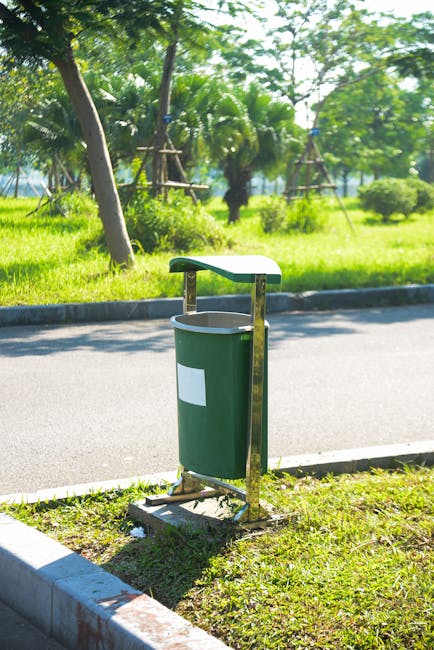
Moving day in Crofton Park sounds straightforward until the waste starts stacking up: broken boxes, old furniture, leftover packaging, a cracked wardrobe shelf, maybe a mattress that has seen better days. That is where Crofton Park Disposal Laws: What Movers Must Follow becomes more than a neat phrase. It is the difference between a tidy, lawful move and a messy one that can trigger complaints, delays, or avoidable costs.
This guide explains what movers, tenants, homeowners, landlords, and removal teams need to keep in mind when disposing of items during a move in SE4. We will look at what disposal rules mean in practice, how compliance usually works, what mistakes people make, and how to plan the whole thing without turning your hallway into a mini landfill. To be fair, that is easier said than done when you are halfway through a move and the kettle is already packed.
If you are also trying to keep the rest of the move under control, you may find it helpful to read about a practical Crofton Park moving checklist and the wider advice in planning a house move with less stress. Those pieces sit nicely beside this one, because disposal is rarely an isolated task.
Why Crofton Park Disposal Laws: What Movers Must Follow Matters
Disposal rules matter because moving creates a burst of waste all at once. A normal household might only throw out a little each week, but a move can produce bulky items, packaging, mixed recycling, and items that should never be left on the street. In Crofton Park, the practical question is not just "where can this go?" but "what is the lawful, responsible way to get it there?"
For movers, the risk is not theoretical. Putting the wrong item out at the wrong time can cause a blocked pavement, missed collection, neighbour complaints, or penalties if the waste is fly-tipped or left where it should not be. Even when no fine follows, the move becomes more awkward. And nobody wants to finish a long day carrying boxes only to return later to deal with a rejected mattress or an overflowing pile of cardboard.
The topic also matters for service quality. Good removal teams do not just lift and load; they help clients avoid disposal mistakes, separate recyclable materials, and plan what should be reused, donated, stored, or removed. If you are sorting furniture before the move, the advice in effective decluttering strategies can help you decide what is worth keeping before disposal becomes urgent.
Expert summary: The safest approach is simple: separate waste early, keep hazardous items out of general rubbish, use lawful disposal routes, and never assume "someone else will deal with it" once the van arrives.
How Crofton Park Disposal Laws: What Movers Must Follow Works
In plain English, disposal rules for a move usually sit across a few layers: household waste rules, recycling expectations, council collection arrangements, and the responsibilities of whoever physically removes the waste. If a mover or removal company handles rubbish, they should do so in a way that does not create illegal dumping, obstruction, or unsafe handling.
Here is the basic flow that makes sense in real life:
- Identify the waste type. Cardboard, clean plastic wrap, timber, textiles, appliances, mattresses, paint, electricals, and mixed junk are not all handled the same way.
- Separate what can be reused or recycled. This keeps the load lighter and often makes the move cheaper and simpler.
- Check whether the item needs special handling. Fridges, freezers, batteries, paint, and some electronics may need separate disposal arrangements.
- Choose a lawful route. This might mean council collection, a recycling run, a reuse donation, storage, or a licensed waste carrier where appropriate.
- Keep proof and clarity. When a removal team deals with waste, make sure the arrangement is agreed in advance rather than assumed on the day.
That last point is easy to overlook. A van can be full of what looks like "just old stuff," but disposal needs a decision tree. What is reusable? What is recyclable? What is too bulky for the pavement? What needs a separate collection? A calm, pre-planned answer is always better than a last-minute scramble in the rain.
When bulky furniture is involved, it may also help to read about bulky item removals in SE4 and council rules. That article complements this one because large objects are often where disposal problems start.
Key Benefits and Practical Advantages
Following disposal laws and best practice is not just about avoiding trouble. It genuinely makes the move smoother. The obvious benefit is compliance, but the practical gains are often more valuable on the day itself.
- Fewer delays: If waste is separated early, movers spend less time deciding what goes where.
- Lower handling risk: Less clutter means easier lifting, cleaner walkways, and fewer trip hazards.
- Better vehicle use: A tidier load makes it easier to fit the items that actually need moving.
- Less stress for the client: People feel more in control when they know what will be taken, recycled, or left behind by agreement.
- Reduced environmental waste: Reuse and recycling are not just buzzwords. They genuinely reduce what ends up in the wrong place.
There is another subtle advantage: better communication. Once the disposal plan is clear, everyone knows what the moving team is responsible for and what the household must sort out. That prevents the classic moving-day confusion where someone points to a heap of old shelving and asks, "Are you taking that too?"
If your move includes fragile items or large pieces, useful guidance on sofa storage and preservation and moving beds and mattresses can help you decide what should travel with you and what should be disposed of or stored.
Who This Is For and When It Makes Sense
This topic is relevant to more people than you might think. It is not just for removals companies. In fact, most disposal mistakes happen because everyday movers assume the rules only apply to professional waste collectors. Not quite.
It matters if you are:
- moving out of a flat and clearing shared areas;
- disposing of damaged furniture before a sale completion;
- helping a student move and clear unwanted belongings;
- emptying a rental property at the end of a tenancy;
- removing office contents or surplus stock;
- downsizing and deciding what stays, what goes, and what is worth storing.
For a flat move, the disposal situation can be especially fiddly. Stairwells, shared bins, limited outside space, and strict building rules all add pressure. That is one reason people often combine planning with flat removals in Crofton Park and, where needed, extra storage via storage in Crofton Park. Sometimes the right answer is not to dispose of an item at all, at least not immediately.
It also makes sense when the move is time-sensitive. Same-day decisions often create disposal errors because people rush. If that sounds familiar, last-minute same-day removal options may help you think through the logistics before the clock starts shouting at you.
Step-by-Step Guidance
Here is a practical way to handle disposal during a Crofton Park move without overcomplicating it.
- Walk each room and sort in categories. Keep, donate, recycle, dispose, and unsure. The "unsure" pile should be small. If it grows, pause and decide carefully.
- Check bulky items first. Sofas, beds, wardrobes, drawers, and broken chairs need the most planning. They are the items that usually cause access and disposal headaches.
- Separate recyclables from general rubbish. Flatten cardboard, bag soft plastics if appropriate, and remove clean packing materials from contaminated waste.
- Put hazardous or specialist items aside. Batteries, paint, electricals, and certain appliances should not be treated like ordinary rubbish.
- Decide what the mover is actually taking. This sounds basic, but it is where a lot of confusion starts. A van space booked for transport is not automatically a waste collection service.
- Confirm access and timing. If disposal requires the curb, a loading bay, or a collection slot, plan it before moving morning. That saves a lot of pacing about.
- Document anything agreed. If a removal team is taking specific waste items, make sure the arrangement is clear in writing or in your booking notes.
One small but useful habit: label boxes and waste bags by destination, not by room alone. "Recycle," "donate," and "tip" are more helpful than "spare room stuff." Less glamorous, more efficient.
For packing itself, the guide on packing tips for a smooth transition is a solid companion piece. And if you are aiming to reduce the total volume before moving, the article on cleaning before relocation can help you spot what truly needs to go.
Expert Tips for Better Results
After enough moving jobs, a few patterns become obvious. The people who handle disposal best are not necessarily the ones with the biggest van. They are the ones who decide early and stay a bit ruthless with categories. Not heartless. Just clear.
- Start two to three days early if you can. Same-day sorting is where errors multiply.
- Keep a separate corner for recycling. Once cardboard and wrap mingle with general waste, you lose time.
- Ask what cannot go in a standard load. This is especially important for electricals and anything with liquids, oils, or sharp edges.
- Use a "last look" box for essentials. This prevents useful items from being accidentally binned. It happens more often than people admit.
- Think about lifting safety as part of disposal. Heavy broken furniture can still injure someone. The advice in heavy item lifting guidance and kinetic lifting protocols is worth a read if you are handling awkward pieces.
One more thing. Do not leave disposal decisions until the van is parked outside and everyone is watching the clock. That is how perfectly decent moves become strange little chaos festivals. It is avoidable, thankfully.
If you are moving particularly awkward furniture, the site's pages on furniture removals in Crofton Park and man and van support can be useful to read alongside this guide.

Common Mistakes to Avoid
Most disposal problems during a move come from a handful of repeated mistakes. Here are the ones we see most often.
- Leaving everything in one pile. It seems efficient, but it makes lawful disposal harder.
- Assuming the removal team will take everything. Always confirm what is included.
- Mixing recyclable material with food waste or broken items. That can make otherwise recyclable material unusable.
- Dumping items near bins or in shared areas. Even if it feels temporary, it can still create problems quickly.
- Forgetting that some appliances need special handling. A freezer is not just "another boxy thing."
- Underestimating stairwells, tight corners, and load weight. The route out matters almost as much as the item itself.
There is also the emotional mistake: keeping junk because deciding feels tiring. Totally understandable. But if you already know an item is not moving with you, disposal should be handled before it becomes a moving-day burden. That little bit of decisiveness pays off.
For homeowners and renters in Crofton Park, the route details and access planning in narrow stairs advice for SE4 homes and access routes near Crofton Park Station can make disposal loading much easier to manage.
Tools, Resources and Recommendations
You do not need a huge kit, but a few simple tools make disposal compliance far easier. Nothing fancy. Just the sort of things that stop the day becoming a scramble.
- Marker pens and labels: useful for separating keep, recycle, donate, and dispose piles.
- Heavy-duty sacks and boxes: better for carrying mixed waste safely than flimsy bags that split mid-step.
- Blankets and straps: essential if reusable furniture is being moved away rather than thrown out.
- Gloves: obvious, but easy to forget in the rush.
- Phone notes or a paper list: handy for recording what has been agreed with the mover.
For related services and support, the most useful pages are usually the ones that help you understand the whole move, not just the van. Consider browsing the services overview, removal services in Crofton Park, and removals in Crofton Park if you are deciding how much help you need.
For pricing clarity, no-hidden-fees pricing guidance is worth checking before you commit. A clear quote often prevents disposal disputes later, which is nice for everyone involved.
Law, Compliance, Standards, or Best Practice
Without pretending every move is the same, the safest UK approach is to treat household waste, reusable goods, and specialist waste as different categories. Movers should not leave waste in ways that cause obstruction, nuisance, or illegal dumping. If a removal company handles waste on your behalf, good practice is to use clear agreement, sensible segregation, and lawful disposal channels.
For moving customers, a few principles are especially important:
- Do not put waste out where it can block pavements, entrances, or shared access routes.
- Do not assume every item can be taken in a standard van load.
- Do not mix hazardous items with general household rubbish.
- Do not leave the property in a state that creates risks for neighbours, cleaners, or other contractors.
It is also wise to check the mover's own policies. A reputable business should be able to explain how it approaches health, safety, insurance, complaints, and payment handling. Those pages may not seem connected to disposal at first glance, but they are. A company that is organised elsewhere is usually more organised around waste and access too.
Useful supporting pages include health and safety policy, insurance and safety, terms and conditions, and payment and security. If you want to understand the business behind the service a little better, about the company is worth a look too.
And yes, disposal compliance can feel a bit bureaucratic. But a calm, lawful process beats a rushed one every time. That is the honest version.
Options, Methods, or Comparison Table
Different disposal methods suit different situations. The right choice depends on item type, timing, access, and how much control you want over the process.
| Method | Best for | Pros | Watch out for |
|---|---|---|---|
| Reuse or donation | Good-quality furniture, appliances, household goods | Low waste, environmentally sensible, can clear space quickly | Item must be clean, usable, and acceptable to the recipient |
| Recycling | Cardboard, clean packaging, some metals, textiles, select electronics | Reduces landfill and supports a tidier move | Items need to be properly separated and uncontaminated |
| Council collection | Bulky household items and scheduled disposals | Simple for planned moves, often suitable for one-off clear-outs | Timing restrictions and item rules can apply |
| Removal with agreed waste handling | Moves involving mixed unwanted items | Convenient, coordinated with the relocation | Must be agreed in advance; not every service includes disposal |
| Storage | Items you are unsure about, or not ready to bin yet | Buys time for a proper decision | Costs money and can delay the final clear-out |
For many households, the best answer is a mix of methods. A sofa may be stored for a month, cardboard recycled on the day, and damaged bits disposed of separately. That mixed approach is often the least stressful, honestly.
If storage is part of your decision-making, the dedicated storage Crofton Park page can be useful. And for people in student lets, the student removals Crofton Park option often suits the "move quickly, sort later" reality of term-time life.
Case Study or Real-World Example
Picture a typical Crofton Park flat move on a wet Saturday morning. The hallway is already full of boxes. There is a partially dismantled bed frame in the bedroom, two bags of old clothes, a broken coffee table, flattened cardboard by the door, and a freezer that the household forgot to empty until the night before. The client wants it all gone, the lift is tiny, and the road outside is not exactly generous.
The smart version of that move would have looked like this:
- The clothes were sorted into donate and dispose piles the day before.
- The cardboard was flattened and separated from general waste.
- The bed and mattress were checked against the route out, which avoided a nasty surprise at the top of the stairs.
- The freezer was handled separately instead of being treated like normal rubbish.
- The broken table was assessed for whether it could be taken as bulky waste, recycled in part, or broken down safely.
Nothing about that is dramatic. But it stops the day from spiralling. The key detail is that disposal was considered before loading began, not after. That is the real difference. Small planning win, big emotional relief.
For awkward white goods, the storage guide for freezers not in use may also help if you are deciding whether to keep, move, or store an appliance rather than dispose of it straight away.
Practical Checklist
Use this checklist before moving day. It is deliberately simple, because simple gets done.
- Separate keep, donate, recycle, dispose, and unsure items.
- Flatten cardboard and bag clean packing waste separately.
- Check bulky furniture and mattresses for the right disposal route.
- Set aside anything hazardous, sharp, wet, or specialist.
- Confirm what your removal team will and will not take.
- Check building access, stair width, and outside space.
- Label items that are staying, going, or going into storage.
- Keep essentials out of disposal piles. Really, keep them out.
- Make a note of collection times or agreed disposal arrangements.
- Do a final sweep of cupboards, loft spaces, under-bed storage, and behind doors.
If you want a broader moving plan to sit alongside this checklist, estate and Victorian terrace moving tips can be helpful, especially where access is tight and there is a lot to clear.
Conclusion
Crofton Park disposal rules are not there to make moving harder. They exist to keep streets clear, waste streams sensible, and moving days safer and more predictable. Once you break the process into categories, most of the confusion disappears. You do not need to solve everything at once. You just need a decent plan, honest sorting, and a clear idea of what stays, what goes, and what needs specialist handling.
The best moves are usually the ones where disposal is decided early, access is checked properly, and nobody is left guessing with a van waiting outside. A bit of structure goes a long way. And if there is one thing moving teaches people, it is that less clutter means fewer headaches. Funny how that works.
Get a free quote today and see how much you can save.
For related support, you can also explore removal companies in Crofton Park, removal van options, or man with a van Crofton Park if you are comparing service styles before moving day arrives.