Anerley Road (SE4) Move Guide: Parking & Access Tips
Posted on 29/05/2026
Anerley Road (SE4) Move Guide: Parking & Access Tips
If you are planning a move on Anerley Road in SE4, the parking and access side of the job can make the day feel either calm or chaotic. A well-packed home helps, sure, but if the van cannot stop close enough, or the stairwell is awkward, even a simple move can start to drag. This guide to Anerley Road (SE4) Move Guide: Parking & Access Tips is here to help you plan the practical bits properly: where loading works best, how to reduce delays, what to check before moving day, and how to avoid those little problems that turn into big ones by 11 a.m.
Truth be told, most moving stress in London comes from access, not from boxes. The good news? With a bit of planning, a clear route, and the right support, you can make the day smoother than it first looks. And yes, even on a busy road, that is possible.
Why Anerley Road (SE4) Move Guide: Parking & Access Tips Matters
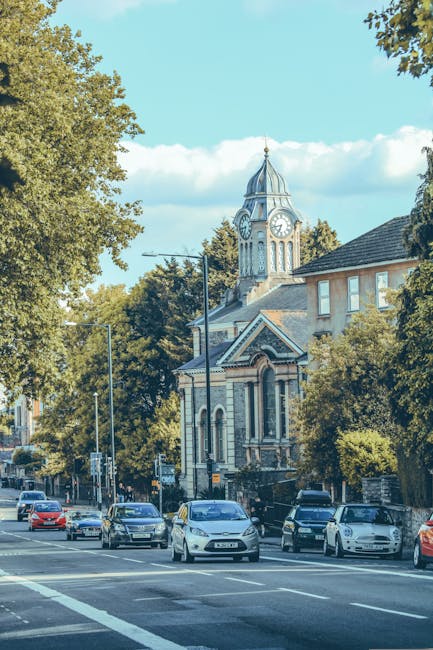
A move is never just about getting things from A to B. On a road like Anerley Road, access can shape the whole operation. If the van has to park too far away, every extra metre adds carrying time, physical strain, and a bit more risk to your furniture and walls. If the route from property to van is tight, a sofa that looked manageable on paper suddenly becomes a two-person puzzle. It happens. More often than people expect.
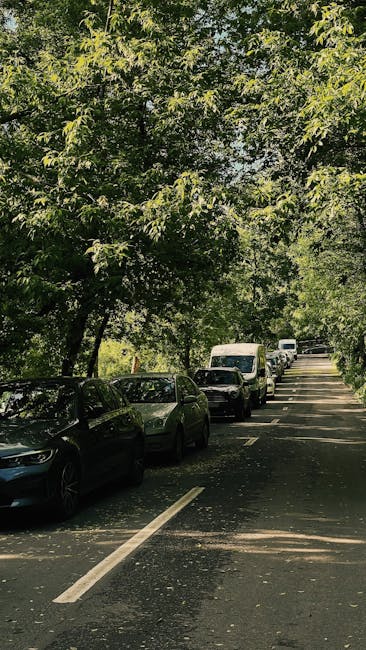
This matters especially in areas where residential parking is limited, traffic builds at awkward times, or houses and flats sit close to the pavement. A moving team may need space for a larger vehicle, a safe place to load, and a route that avoids blocking neighbours or getting in the way of passing traffic. Good planning means fewer surprises, less waiting around, and a move that feels controlled rather than rushed.
For many households, the difference is surprisingly simple: the right parking plan can save time, reduce lifting, and protect fragile items. It also makes the day easier for everyone involved, including neighbours. Nobody enjoys the awkward shuffle of trying to hold a wardrobe while a car needs to squeeze past. Let's face it, that kind of moment can turn a normal move into a messy one quickly.
If you are still in the planning phase, it may also help to look at broader moving support such as how to navigate a house move with more peace of mind, especially if your move includes multiple rooms or a tight schedule.
How Anerley Road (SE4) Move Guide: Parking & Access Tips Works
The basic idea is straightforward: you map the route from the property to the vehicle, check the parking situation early, and reduce any obstacles before moving day. In practice, that means thinking beyond the front door. Where will the van stop? Is there a driveway, a loading area, or only on-street parking? Are there trees, narrow gates, steps, or a steep path? Are there basement flats, shared entrances, or intercom systems that slow things down?
Most good moving plans follow the same logic. First, confirm what the property actually needs. Then match the vehicle size and team size to the available space. After that, plan the loading sequence so the most awkward items are handled first while everyone is fresh. That little bit of structure helps more than people realise. By midday, when hands are tired and the kettle has already been boiled twice, you will be glad you did it.
A proper access plan often includes a few very local details too: pavement width, nearby junctions, school-run traffic, whether the road gets busy at certain times, and whether the property sits on a bend or slope. Even a short walk from van to front door can become awkward if there is no clean place to pause with heavy boxes.
If you are moving large or awkward furniture, it is worth reading about safe heavy-item lifting approaches and good lifting technique so you can see how access and handling really work together.
Key Benefits and Practical Advantages
There is a very practical reason people spend time on parking and access: it pays off fast. A few minutes of planning can save hours of stress. The benefits are not abstract either. They show up in the small things that make the whole move feel less frantic.
- Less carrying distance: the closer the van can get, the fewer trips you need.
- Lower risk of damage: shorter carrying routes reduce bumps, scuffs, and dropped corners.
- Safer handling: heavy items are easier to manage when you are not stretching or turning awkwardly.
- Better timing: access planning helps the day run to schedule, which matters if you have cleaners, landlords, or key handovers lined up.
- Fewer neighbour issues: a well-managed loading plan is less likely to block drives, bins, or footpaths.
There is another benefit people sometimes overlook: decision-making becomes easier. Once you know whether the van will be parked close, whether the property has stairs, and whether a second person is needed, you can pack and stage items in a much smarter order. For example, if a sofa has to be carried through a narrow hallway, you do not want it buried under lighter boxes. You want it ready to go first.
This is where support pages like man and van support and local removal services can be useful, especially if you want a smaller, more flexible moving setup rather than a one-size-fits-all approach.
Who This Is For and When It Makes Sense
This guide is useful for anyone moving on or near Anerley Road, but it is especially relevant if your property has limited parking, a narrow entrance, or shared access. Flats, terraced houses, maisonettes, and homes on busier stretches of road all benefit from a bit of forethought. To be fair, even apparently simple house moves can go sideways if the vehicle ends up parked too far away.
You will also find this useful if:
- you are moving with a removal van and need a clear loading spot;
- you have bulky furniture such as wardrobes, beds, or sofas;
- you are moving items from a top-floor flat without a lift;
- you need to coordinate with neighbours or a managing agent;
- you are on a tight moving-day timetable;
- you are comparing a full removal service with a smaller man and van option.
It also makes sense for landlords, letting agents, students, and office movers. A student move may need speed and affordability. An office move might need the van parked in a precise spot so staff can keep working around the loading window. Different moves, same access logic.
If your move is more compact or involves a flat, the guidance on flat removals can help you think through stairs, entryways, and loading patterns in a more practical way.
Step-by-Step Guidance
Here is a simple, sensible way to approach parking and access for a move on Anerley Road. Nothing fancy. Just the kind of process that avoids the usual surprises.
- Survey the property access. Walk from the front door to the nearest legal parking position. Notice any steps, tight turns, low walls, bins, railings, or overhanging branches.
- Check vehicle fit. Make sure the planned vehicle size is realistic for the road and the turning space available. A larger van is not always better if it cannot stop safely.
- Plan the load order. Put heavy or awkward items near the exit first. Beds, wardrobes, freezer units, and large furniture should not be left until the last minute.
- Protect the route. Use floor coverings, door protection, and corner guards where needed. Hallways get scuffed quickly, especially with repeated trips.
- Set a parking fallback. If the ideal spot is taken, have a second option in mind. This saves time and avoids that silent five-minute driver stare at an occupied bay.
- Communicate clearly. Tell your movers about narrow gates, shared entrances, key safes, intercoms, or limited access windows before the day begins.
- Stage items near the exit. Keep boxed items grouped by room and place larger pieces so they can be removed without reshuffling everything.
- Recheck during the move. Access can change. A neighbour's delivery van, a school drop-off, or a bin lorry can alter the plan mid-morning.
One useful trick: if your home has a long internal route to the van, do a timed dry run with one or two boxes the day before. You will spot bottlenecks very quickly. Maybe the door swings the wrong way. Maybe the stair landing is tighter than you thought. Small stuff, but it matters.
For packing support, take a look at packing tips for a smoother transition and the broader packing and boxes service if you want to keep things organised from the start.
Expert Tips for Better Results
In our experience, a few small decisions make a surprisingly big difference. These are the kinds of things that are easy to skip and annoying to fix later.
- Move the van placement closer to the property entrance where possible. Even a few metres matter on a long moving day.
- Book your access plan before your packing gets too far along. It is easier to pack with access in mind than to retrofit the whole move later.
- Label fragile and heavy boxes clearly. That helps the load order and reduces guesswork at the kerb.
- Keep a clear walkway inside the property. Shoes, rugs, pet items, and recycling bags all become trip hazards faster than you think.
- Use the right help for awkward items. A piano, for instance, is not a casual lift. It needs proper care and planning. The same goes for other specialist loads.
- Think about where the team will pause. If there is no clean space to set items down outside, the process can become stop-start and frustrating.
A practical example: if you are moving a bed frame and mattress from an upper floor flat, you will want the mattress wrapped and the bed parts separated before the van arrives. That sounds obvious, but on the day people often get caught in the last screw, the missing Allen key, or the bed slats sliding under the sofa. Human beings, eh.
Helpful related reading includes how to move beds and mattresses without hassle and what to know about piano moving if you have specialist items that need extra caution.
Common Mistakes to Avoid
Most move-day access problems are preventable. They usually come from assumptions. "The van can just stop outside." "There will probably be space." "The stairs aren't that bad." Sometimes that works out. Sometimes it really doesn't.
- Not checking parking restrictions in advance: time windows, permit areas, and loading limits can affect where the vehicle can stand.
- Underestimating how long loading takes: if the van is far away, a half-hour job can stretch out.
- Leaving bulky items until the end: heavy furniture should not be the last thing you face after an exhausting morning.
- Forgetting about access inside the property: narrow staircases and low ceilings matter just as much as road parking.
- Blocking shared entrances: this causes friction with neighbours and can slow the move down.
- Not protecting walls and floors: one scraped hallway is enough to spoil the feel of the day.
Another common one is poor decluttering. If you move items you no longer use, you create extra volume for no real reason. That means more carrying, more parking time, and more unloading at the other end. A better approach is to cut waste before the move. A good starting point is practical decluttering strategies before relocation.
And if you are cleaning up before handover, house cleanliness before relocation is a useful companion read. A clean exit and a smooth loading plan tend to go hand in hand.
Tools, Resources and Recommendations
You do not need a van load of specialist kit to improve parking and access, but a few items make life easier. Think of these as practical basics rather than extras.
- Measuring tape: for checking door widths, corridors, stair turns, and gate openings.
- High-visibility vest or jacket: useful if loading near traffic or in dim weather.
- Furniture blankets and covers: for protecting doors, frames, sofas, and wardrobes.
- Corner protectors or cardboard guards: excellent for tight hallways.
- Load straps and trolleys: helpful for heavy or awkward items, provided the route can actually take them.
- Phone notes or a simple access plan: keep parking details, access codes, and contact numbers in one place.
It also helps to use trustworthy service pages when you are comparing help. For example, if you need a standard home move, house removals support gives a clearer picture of what a full-service move can involve. If you are moving specific furniture, furniture removals may be the better fit. If storage is part of the plan, storage options can reduce pressure when your new place is not quite ready.
For larger home setups or difficult loads, a well-matched vehicle matters too. You can read more about a suitable removal van option if you are trying to decide what size and format will work best.
Law, Compliance, Standards, or Best Practice
Parking and access planning should always respect local parking rules, road safety, and property rights. Exact restrictions can vary by street and borough, so it is wise to check current local guidance rather than assume anything. If a bay looks convenient but is not permitted, it is not a proper plan. It is a delay waiting to happen.
For moving day best practice in the UK, the main principles are simple:
- do not obstruct pavements, driveways, or emergency access;
- avoid unsafe loading that creates trip hazards or unstable stacking;
- protect people, property, and traffic flow;
- use suitable handling methods for heavy or fragile items;
- follow reasonable site safety expectations when working in shared buildings or tight residential streets.
If you are hiring help, it is sensible to confirm that the team works with appropriate care, insurance, and safety procedures. A good mover should be able to explain how they handle risk, protect your belongings, and manage awkward access. That is part of professional service, not a bonus.
For a fuller overview of how a responsible moving business approaches this, see the pages on insurance and safety and the company's health and safety policy. If you want to understand the business side as well, the terms and conditions and pricing and quotes pages are worth a look before you book.
Options, Methods, or Comparison Table
Choosing how to approach a move on a road like Anerley Road often comes down to matching the method to the access conditions. Here is a simple comparison to help you decide.
| Option | Best for | Strengths | Watch-outs |
|---|---|---|---|
| Full removal service | Whole-house moves, bulky furniture, tight timeframes | More support, better handling of access challenges, less stress | Usually more planning needed in advance |
| Man and van | Smaller moves, flexible loads, quick turnarounds | Good for short notice and smaller quantities | May need careful item staging if access is tight |
| Van plus helper | Mixed loads with a few heavy items | Practical balance of cost and support | Still depends on parking close to the property |
| Storage first, move later | Delayed completions or staggered handovers | Reduces pressure on moving day | Requires extra coordination and cost planning |
There is no single best method for every move. A flat with difficult stair access may need a more hands-on service, while a small student move might only need flexible transport and good timing. If you are in the middle, a service that can adapt is often the safest choice. The key is not to overbuy help you do not need, but also not to underestimate access problems just because the move seems modest.
Case Study or Real-World Example
Here is a realistic moving-day scenario. A couple in a first-floor flat on a busy stretch of road needs to move into a nearby house the same afternoon. The new place has easy internal access, but the old flat is awkward: one narrow stairwell, a shared entrance, and little spare parking outside. At first they assume the van can wait directly outside. On the day, a delivery vehicle is already there and the kerb space is gone.
Because the access plan was checked in advance, the team already had a fallback stop point. They used trolleys for the lighter boxes, took the bed frame out first, and kept the wardrobe pieces accessible. The sofa was wrapped, carried second, and loaded before the afternoon traffic picked up. Nothing dramatic. No heroics. Just clear planning.
The move still took effort, of course. Moves always do. But the day stayed calm because the parking problem had been anticipated rather than discovered in real time. That is usually the difference between a move that feels organised and one that feels like everyone is improvising.
For anyone dealing with larger furniture or specialist items in a similar situation, the guidance in sofa storage and preservation can be useful if you need to hold items temporarily before final placement. And if your move includes a freezer or other awkward household equipment, it is worth reviewing storage techniques for freezers not in use so nothing gets damaged while plans change.
Practical Checklist
Use this checklist the day before and on the morning of the move. It is simple, but honestly, simple is what works.
- Confirm the exact moving address and access route.
- Check where the van will legally and safely park.
- Note any time restrictions, permit needs, or loading rules.
- Measure doorways, stairs, gates, and tight corners.
- Remove obstacles from hallways and entry points.
- Keep key items, access codes, and contact numbers ready.
- Wrap fragile furniture and protect corners.
- Stage bulky items close to the exit.
- Separate valuable or sensitive items for personal transport.
- Have a backup plan if the first parking spot is unavailable.
- Tell neighbours or building managers if shared space may be affected.
- Double-check that nothing is blocking the route after loading starts.
Expert summary: the smoother the parking plan, the safer the carrying route; the safer the carrying route, the faster the move. That is the whole game, really.
Conclusion
A move on Anerley Road does not have to feel complicated. Once you treat parking and access as part of the move itself, rather than an afterthought, everything becomes easier to manage. You reduce delays, protect your belongings, and give yourself a much better chance of finishing the day without the usual last-minute scramble.
Start with the route. Check the parking. Think about the distance from van to door. Then match the moving method to the actual conditions, not the hoped-for ones. That one shift in approach can save a lot of hassle. And if you are moving soon, it is worth getting the practical details sorted while there is still time to breathe.
Get a free quote today and see how much you can save.
When the boxes are stacked and the van finally pulls away, what stays with you is not just the work you did, but the calm you created by planning it properly. That is a good feeling. A proper one.